Healthcare Program
Since 2007, DHARA has been actively engaged in improving community health through community health clinics in the rural areas of Jashore District, providing essential healthcare services to underserved populations. Recognizing the extreme vulnerability of climate-affected communities, DHARA expanded its health interventions to the Shyamnagar area of Satkhira in 2007, an area frequently affected by floods, cyclones, and other climate-induced disasters.
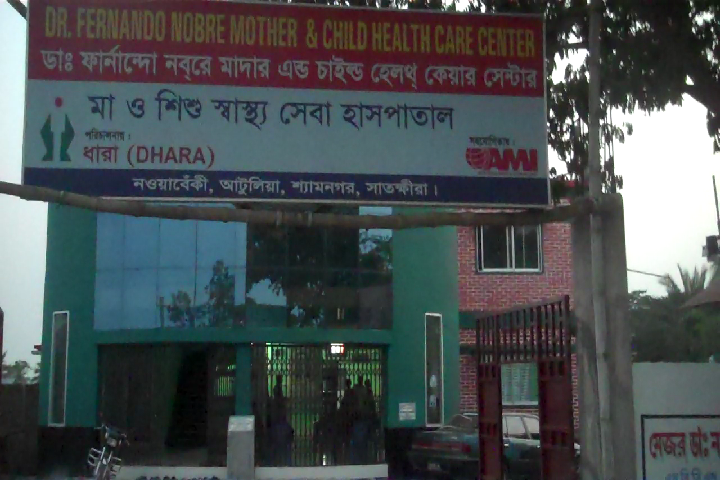
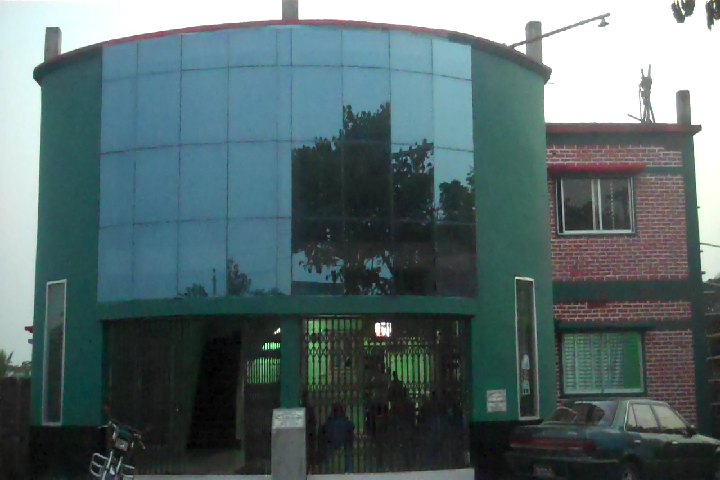
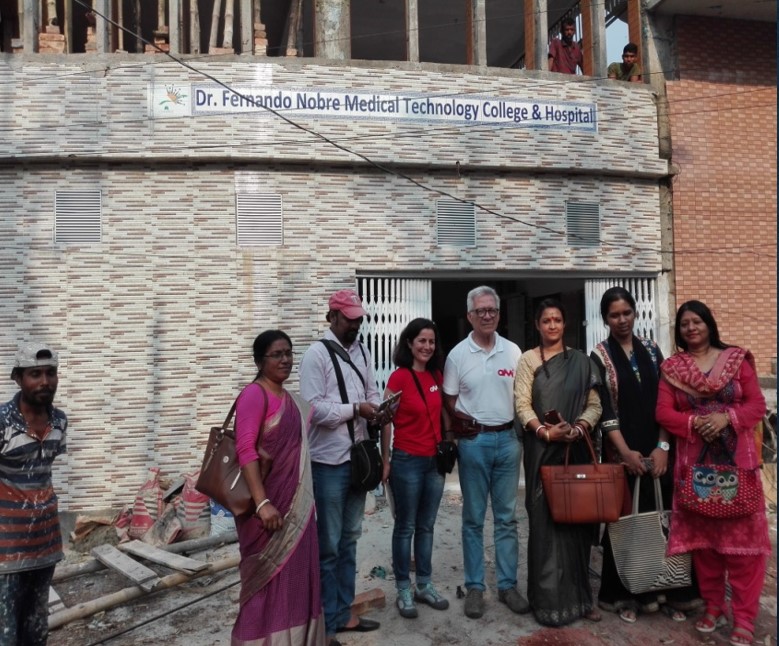
To address the urgent need for accessible maternal and child healthcare in these climate-vulnerable areas, DHARA, in partnership with AMI Foundation, initiated a 10-bed hospital in Shyamnagar in 2009. The hospital was designed specifically to serve poor and rural communities, with a focus on maternal and child health. It was one of the first of its kind in a large upazila of Bangladesh prone to climate disasters, providing essential healthcare to communities that previously had very limited access. The hospital continued its operations in 2012 and DHARA shifted focus to community-based health initiatives.
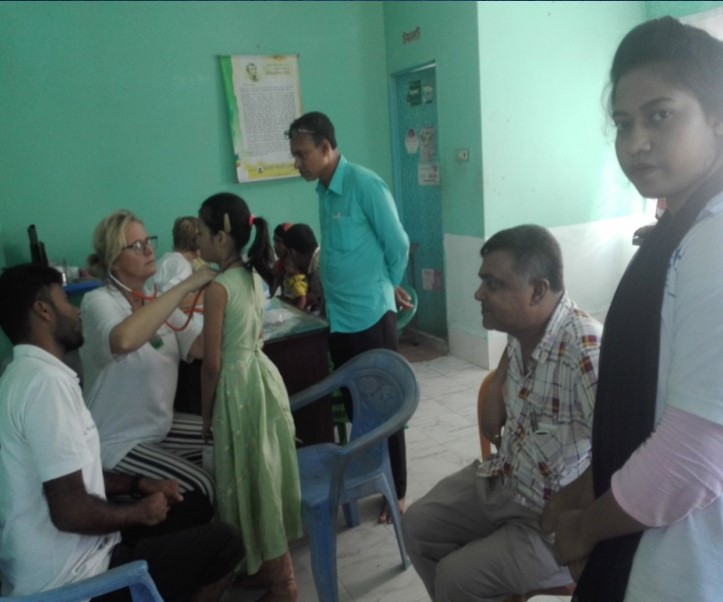
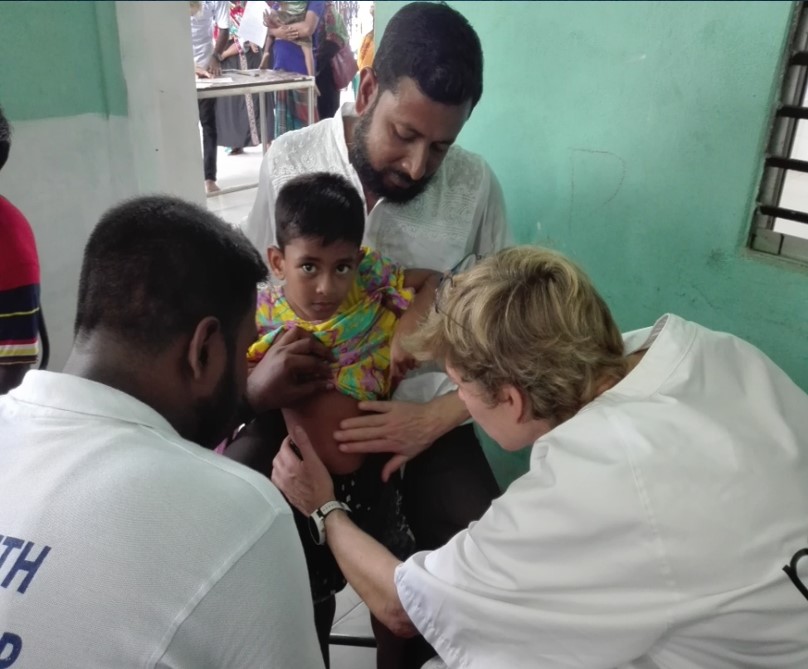
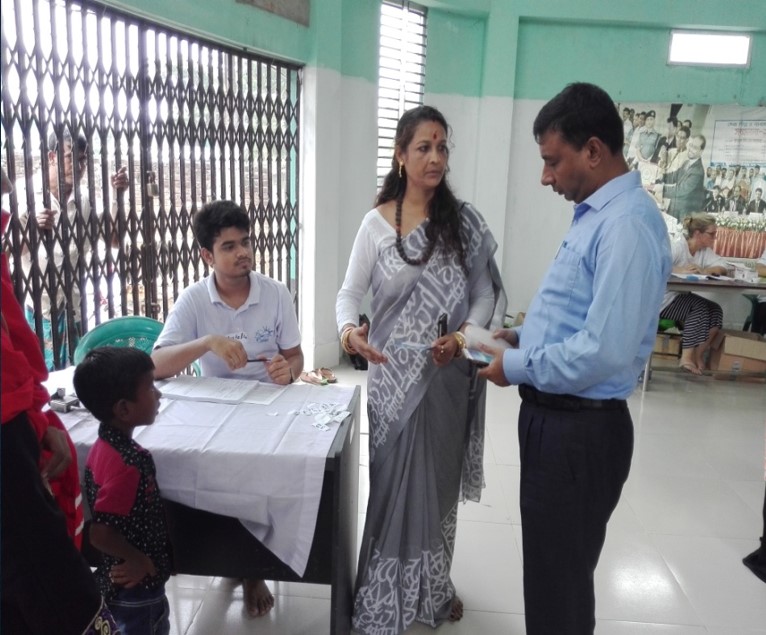
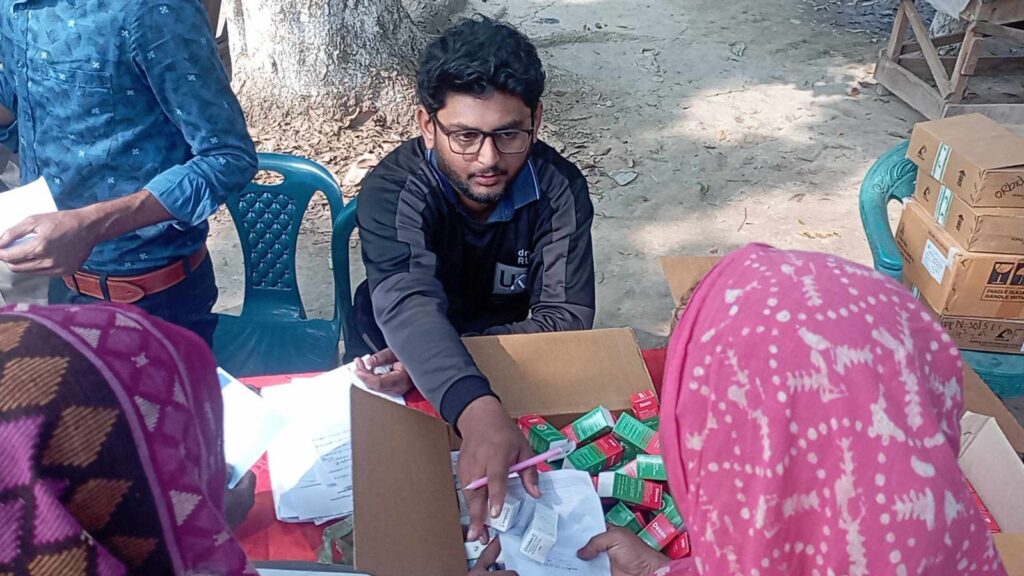
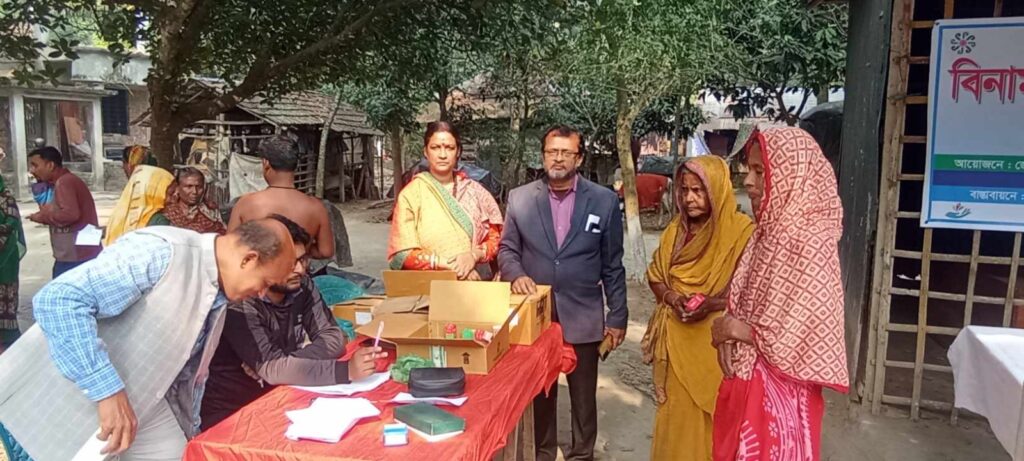
Following the hospital project, DHARA has continued to strengthen community health and awareness programs, particularly targeting adolescent health, hygiene, and nutrition. From 2012 to 2019, DHARA collaborated with volunteer doctors from the Netherlands to organize free health camps, providing medical consultations, basic treatments, and health education for underserved populations in Shyamnagar and surrounding areas.
Since 2020, DHARA has independently organized free health camps, expanding access to healthcare for communities in need, with special attention to women and children. These camps provide not only medical services but also health education and awareness, empowering community members to take proactive steps toward better health and hygiene practices.
As part of its commitment to improving maternal and child health in vulnerable communities, DHARA has been providing training for Traditional Birth Attendants (TBAs) in Shyamnagar, Satkhira. So far, 40 local women have received comprehensive TBA training, equipping them with essential skills in safe childbirth practices, maternal care, neonatal care, hygiene, and emergency referral.
This initiative ensures that trained community members can support safe deliveries, provide basic health education to pregnant women, and act as a bridge between rural communities and formal health services. By strengthening local capacity in maternal and child health, DHARA aims to reduce preventable maternal and infant health risks, particularly in climate-vulnerable and resource-poor areas.
Through these sustained initiatives, DHARA’s Health Program has evolved from running clinics and a small hospital to implementing community-based preventive and promotive health interventions, ensuring that climate-vulnerable populations have continued access to healthcare, awareness, and support. By focusing on both service delivery and health education, the program contributes significantly to improving the overall health, resilience, and well-being of the communities it serves.