Development of Health & Agriculture Rehabilitation Advancement
Disability Development and Rehabilitation Project
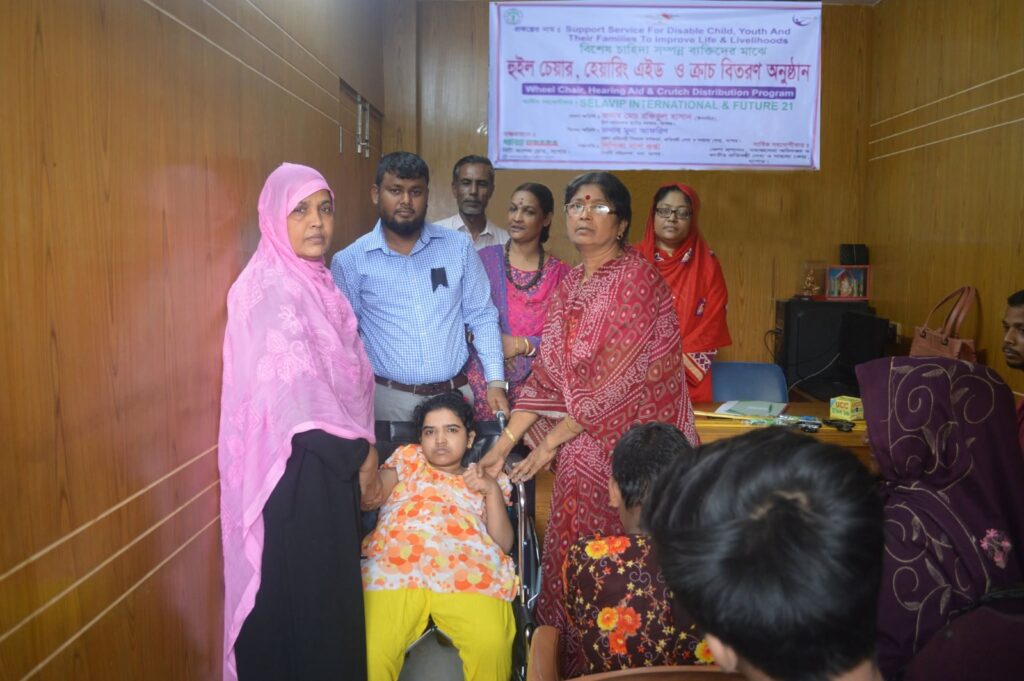
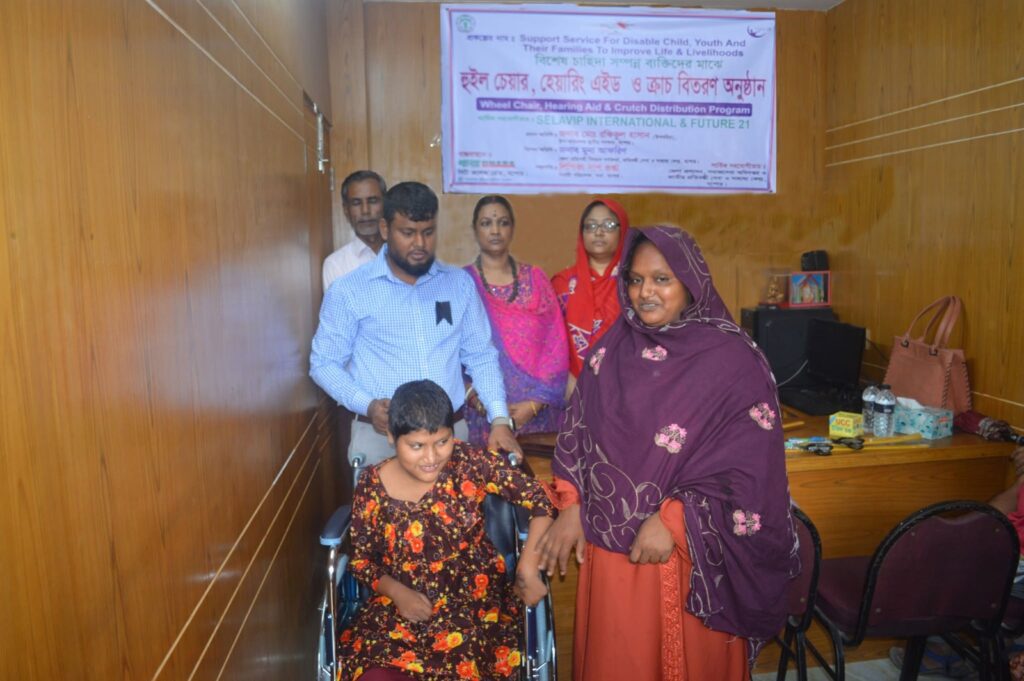
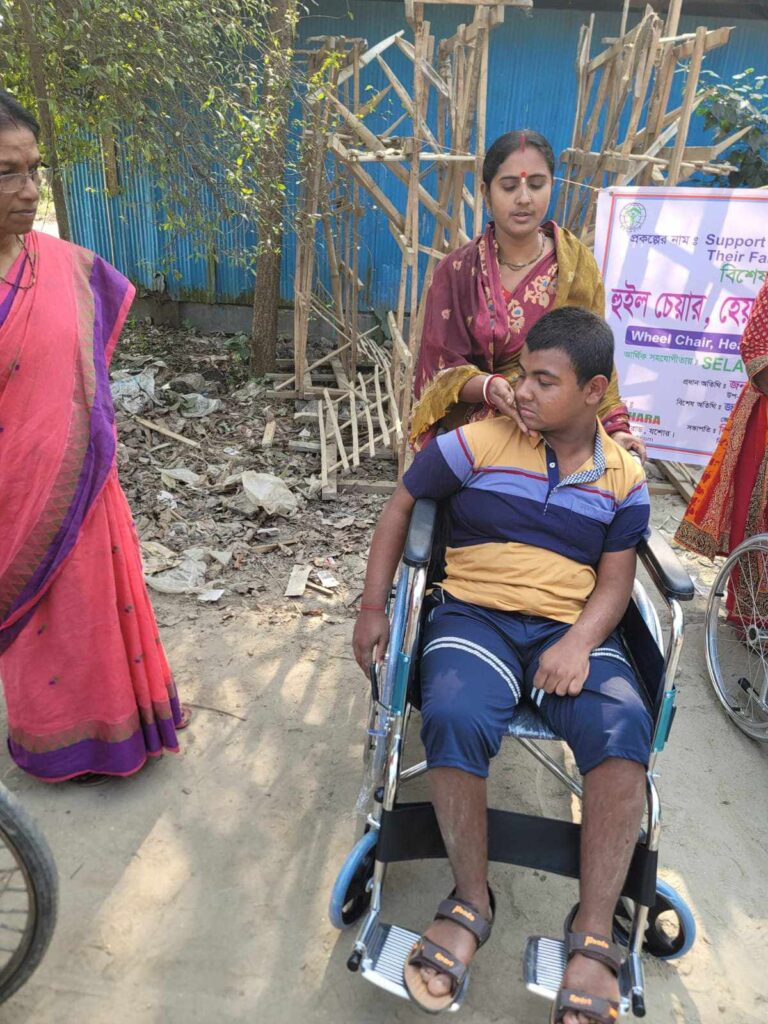
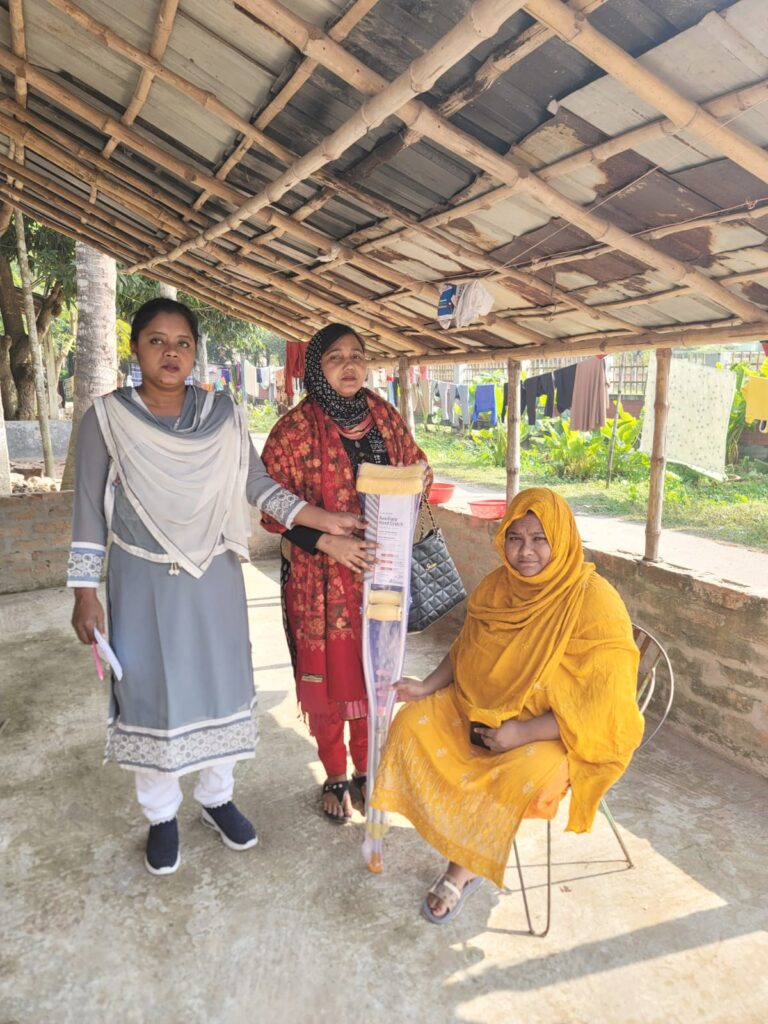
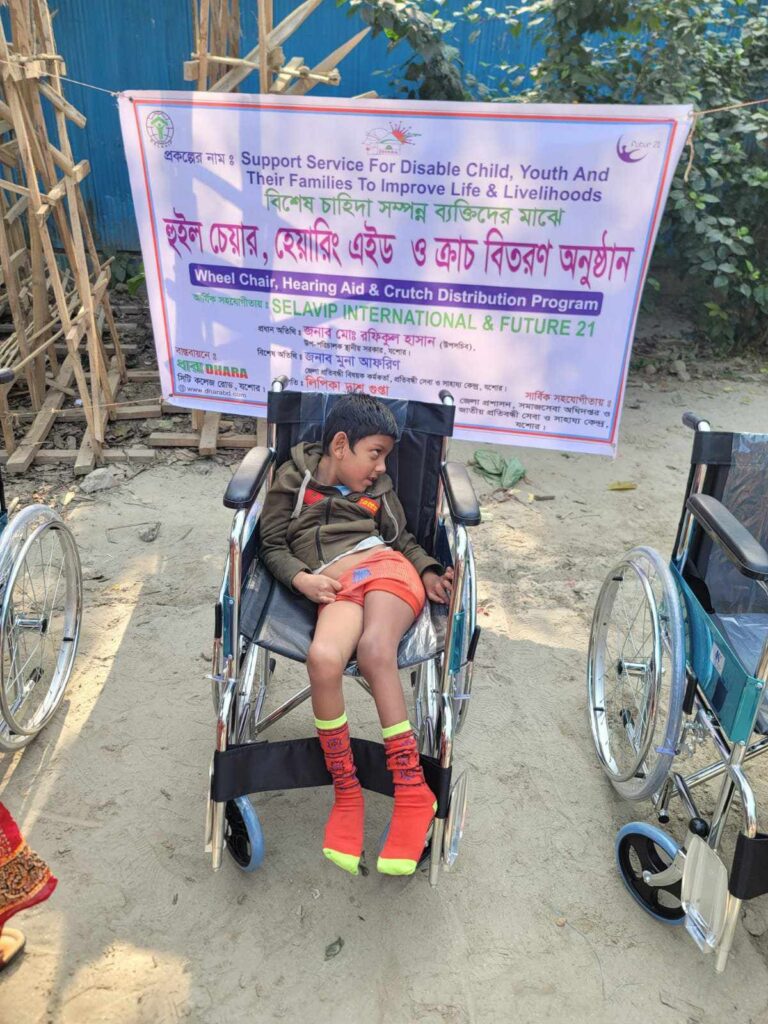
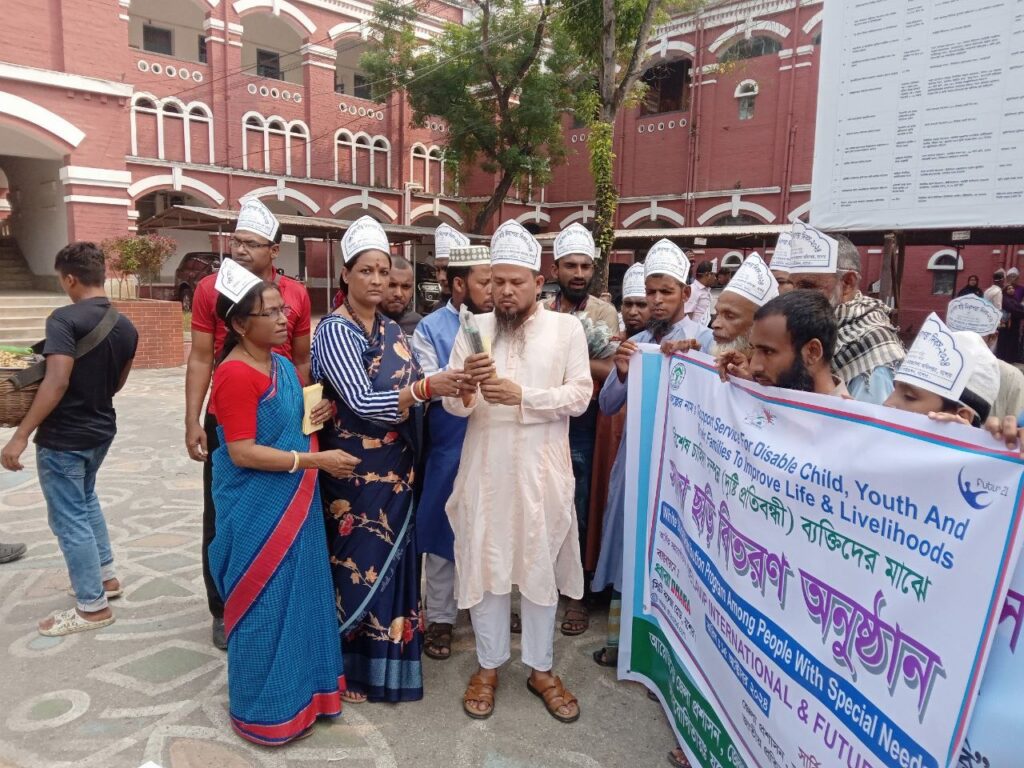
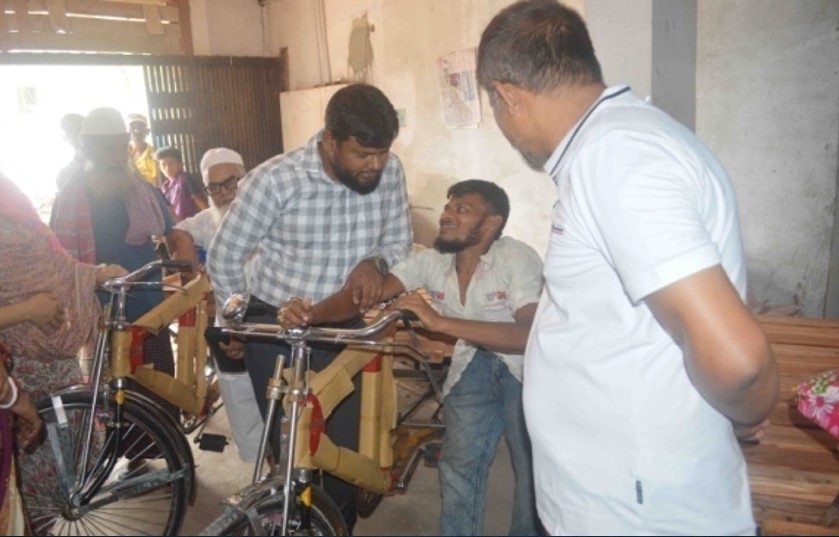
Under the Disability Development and Rehabilitation Project, DHARA, in collaboration with the BNF Foundation, successfully conducted a distribution program to enhance the mobility and livelihoods of persons with disabilities. During the fiscal year 2023–2024, a total of 125 beneficiaries received essential assistive devices and income-generating tools to foster independence and social inclusion.
Distribution Breakdown
The following items were provided to the selected participants based on their specific needs:
Mobility Support:Wheelchairs: To improve physical independent movement.
Crutches: For those requiring walking assistance.
White Sticks: Specifically for visually impaired beneficiaries to ensure safe navigation.
Sensory Support:Hearing Aids: Provided to individuals with hearing impairments to improve communication.
Livelihood Empowerment & Income Generation:
Beyond physical support, the project focused on long-term financial stability. We have opened new doors for income generation by distributing the following:
Sewing Machines (4 Units): Provided to empower beneficiaries (particularly women) to start home-based tailoring businesses.
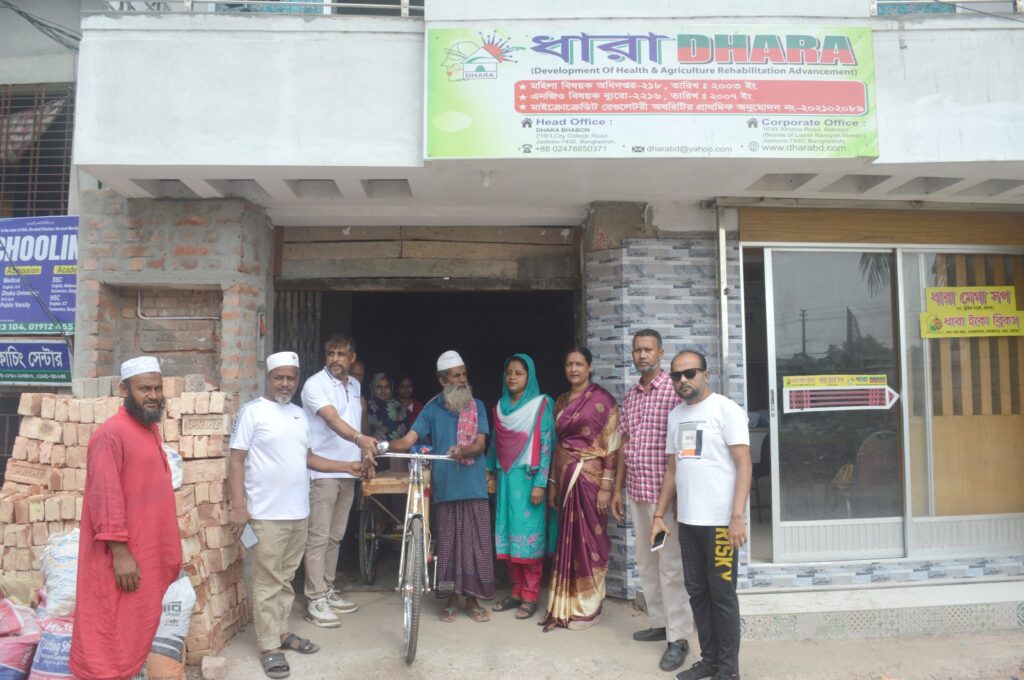
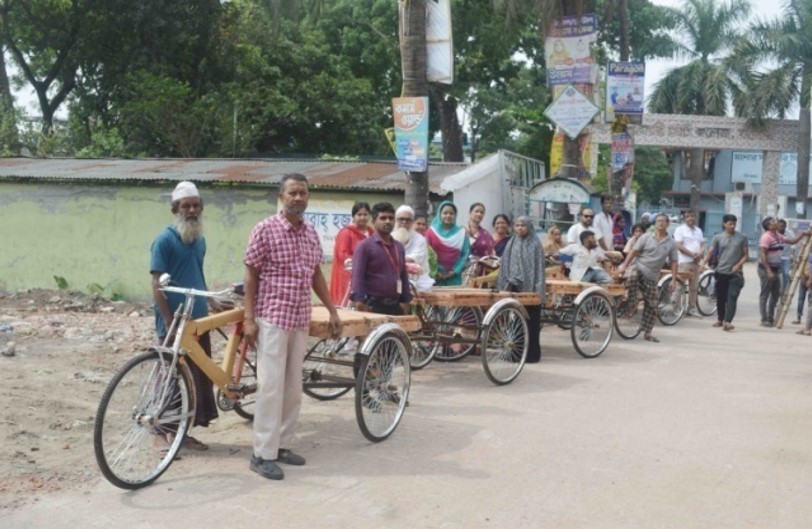
Rickshaws (2 Units): Delivered to families to establish a steady daily income source through local transport services.
Vans (6 Units): Distributed to facilitate small-scale trade and goods transportation, allowing families to become self-sufficient.
SUPPORT SERVICES FOR DISABLE CHILD,YOUTH AND THEIRFAMILIES TO IMPROVE LIFE & LIVELIHOODS
The primary focus of this initiative is to create sustainable Income Generating Activities (IGA) for families of children and youth with disabilities. We recognize that the health and well-being of a disabled individual are deeply connected to the financial stability of their family.
Income Generation Strategy: To empower these households, DHARA has distributed Rickshaws and Vans to selected families. These assets serve as a direct source of daily income, allowing the families to break the cycle of poverty and dependence.
The “Health-Wealth” Connection: The income generated from these transport services is strategically utilized by the families to:
Fund Medical Expenses: Covering the costs of specialized doctors, therapy, and medicine.
Improve Nutrition: Ensuring the disabled child/youth has access to a healthy and balanced diet.
Enhance Quality of Life: Reducing the financial burden on the family, which leads to better care and a more supportive home environment.